
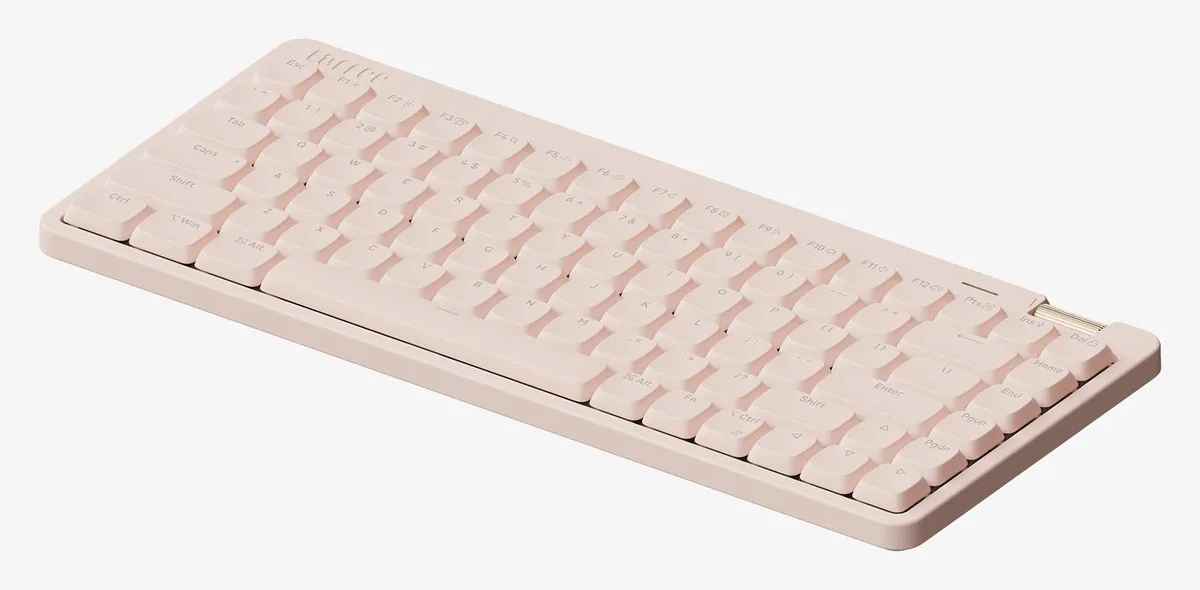
 Lofree
 Flow Lite84
A compact 75% board with a physical function row and three connection modes for a desk shared by work and personal devices.
- Layout: 75% · 84 keys
- Connectivity: Bluetooth, 2.4 GHz, USB-C
- Switches: Specter linear
A compact keyboard saves space, but a number pad may be worth keeping if you spend the day in spreadsheets. These low-profile mechanical keyboard models cover both needs, with options from Lofree, MelGeek and ATK. Start by looking at the layout and your preferred connection. Then check which switches the model uses and whether replacements fit its sockets. The catalog groups keyboards by brand, so you can see which models share a design and where they differ. Each detail page explains the configuration, specifications and purchasing options in the United States.
LofreeA compact 75% board with a physical function row and three connection modes for a desk shared by work and personal devices.
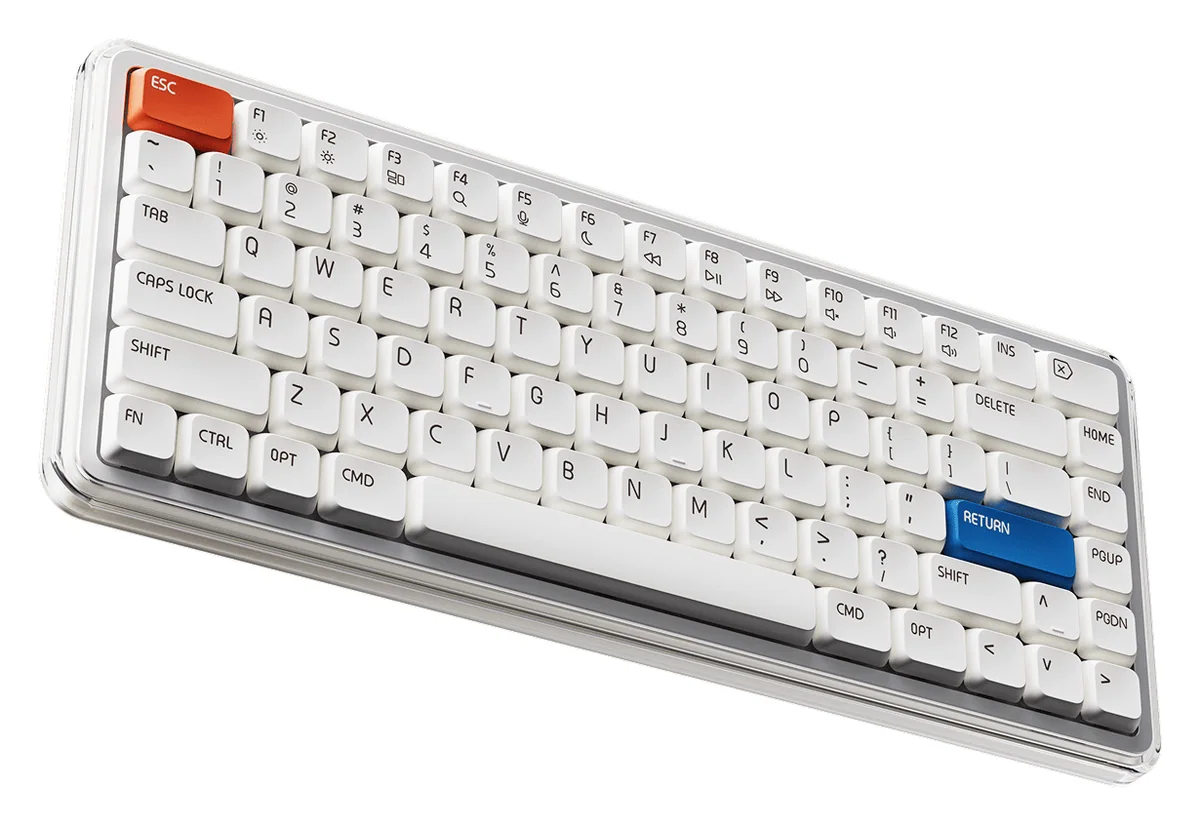 MelGeek
A low-profile board with Apple-style modifier legends, media shortcuts and a translucent design.
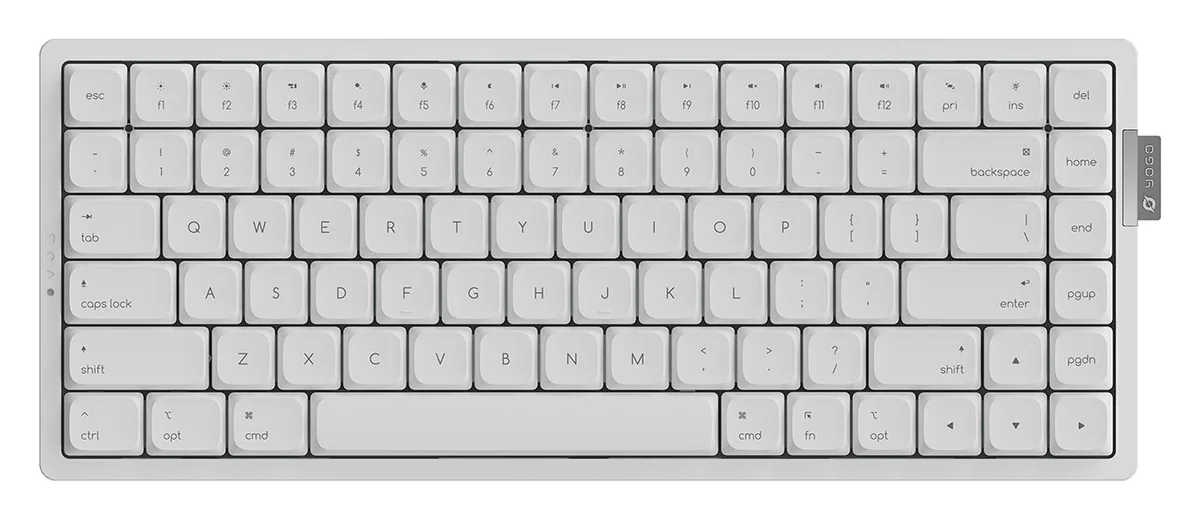 ATK
A compact aluminum keyboard with a polycarbonate plate, gasket mount and an 84-key layout.
LofreeA compact 75% board with a physical function row and three connection modes for a desk shared by work and personal devices.
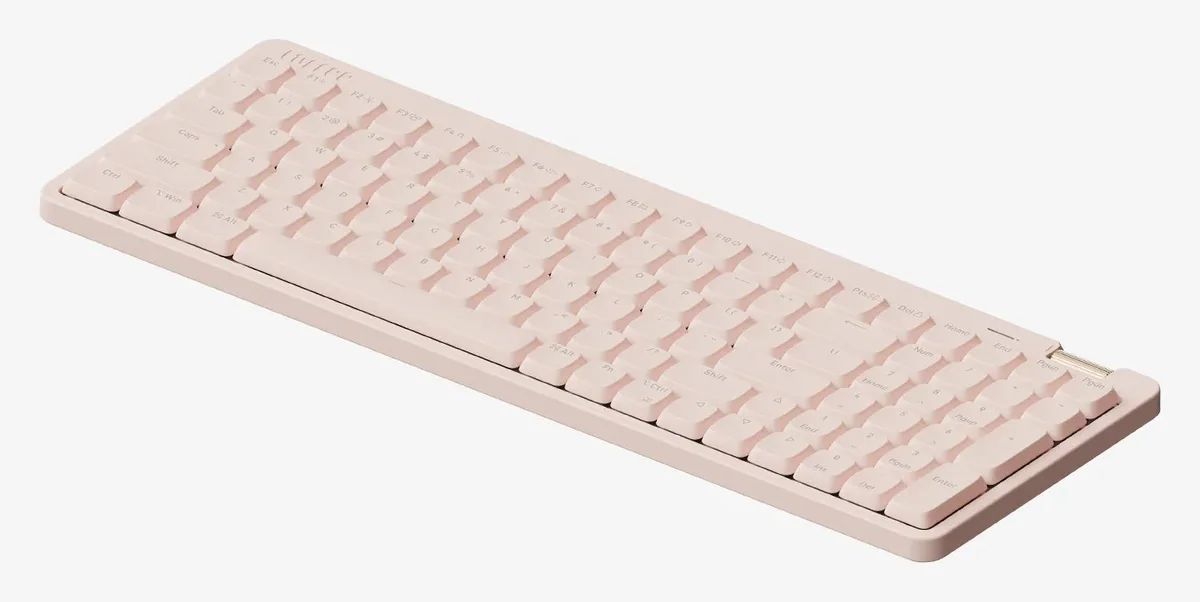 Lofree
An expanded Flow Lite with a number pad for spreadsheets, shortcuts and frequent numeric entry.
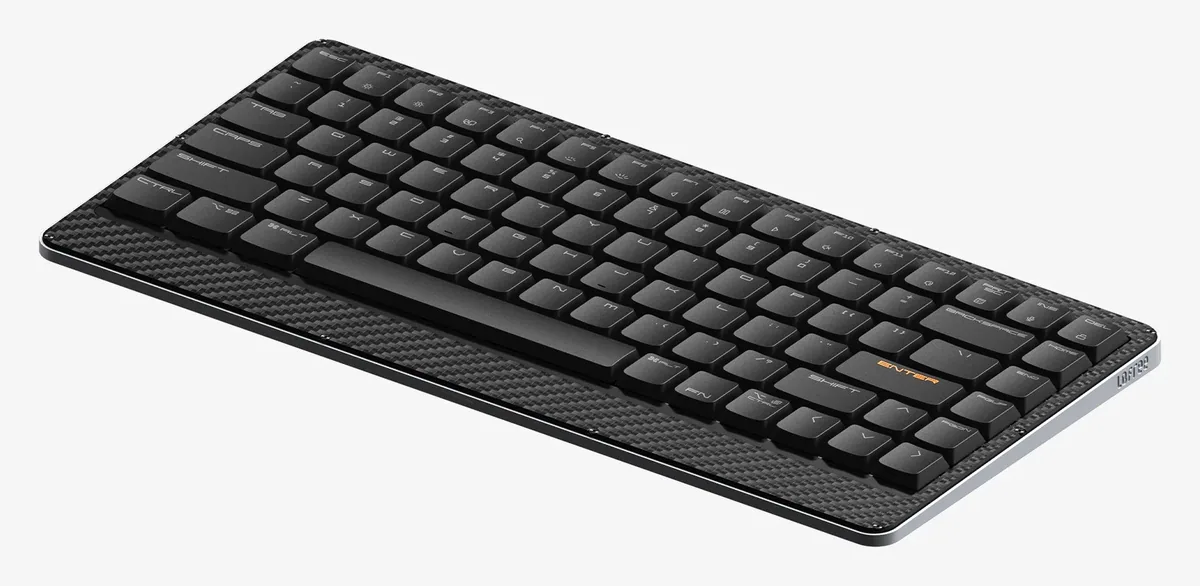 Lofree
A 485 g, 84-key keyboard with a slim case, carbon-fiber top and a magnesium-alloy base.
MelGeekA low-profile board with Apple-style modifier legends, media shortcuts and a translucent design.
ATKA compact aluminum keyboard with a polycarbonate plate, gasket mount and an 84-key layout.
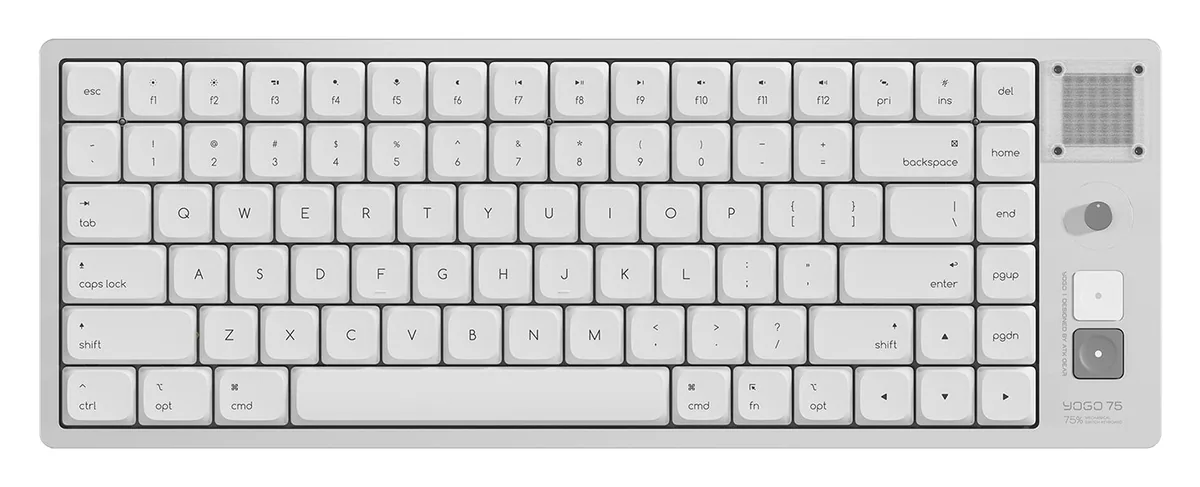 ATK
The Yogo 75 Pro pairs the series’ compact aluminum case with an FR4 plate and three connection modes.
A low-profile keyboard has a shorter overall height and usually uses shorter switches or keycaps. A low-profile mechanical keyboard uses individual mechanical switches. Look at the height at the front edge and the key travel together, especially if you are replacing a laptop keyboard or a full-height mechanical model.
A lower front edge can make a straighter wrist position easier for some people. The desk height, typing angle, keyboard placement and distance to the mouse also matter. Look at the setup as a whole and try the angle and layout that let your hands rest naturally.
They can be. Check the connection mode, polling rate and latency for the model and mode you plan to use. A compact layout can also leave more room for mouse movement. If quick response is important, start by checking the options for a wired connection or a dedicated receiver.
It depends on the typing feel you like. Shorter travel can feel familiar to someone who types on a laptop, while some people prefer the deeper stroke of a standard-height mechanical switch. Check the switch type and try to keep the same layout if you are mainly changing the key feel.
A compact low-profile mechanical keyboard can fit a travel bag well. Check its width and weight along with case height, since an aluminum model can still be heavy. Bluetooth can simplify packing and a wired option gives you another way to connect.